
Pre-eclampsia is the development of high blood pressure in the second half of the pregnancy.
It is a serious and relatively common disorder that affects 3-5% of all pregnant women. In a well-developed healthcare setting such as in Australia, the condition is unlikely to result in any ongoing harm to the mother. But across the world, more than 50,000 women and half a million babies die from pre-eclampsia each year.
It can also lead to damage to multiple organs for the mother, growth restriction for the baby, and is associated with increased risks of cardiovascular disease many years after the pregnancy.
While there are treatments that ensure the mother and unborn baby can remain safe, the only definitive management involved ending the pregnancy by delivering the baby. For this reason, pre-eclampsia is a major cause of preterm birth, being the reason behind one of every five preterm births (before 37 weeks of pregnancy).
Traditionally, we try to identify women at increased risk of developing pre-eclampsia using checklists of risk factors such as: maternal age above 35 years, increased body mass index, presence of other diseases like diabetes or kidney disease, and the occurrence of pre-eclampsia in a previous pregnancy. However, this approach does not work well, detecting less than three out of ten people who later develop pre-eclampsia. This is because most individuals who develop pre-eclampsia have no risk factors.
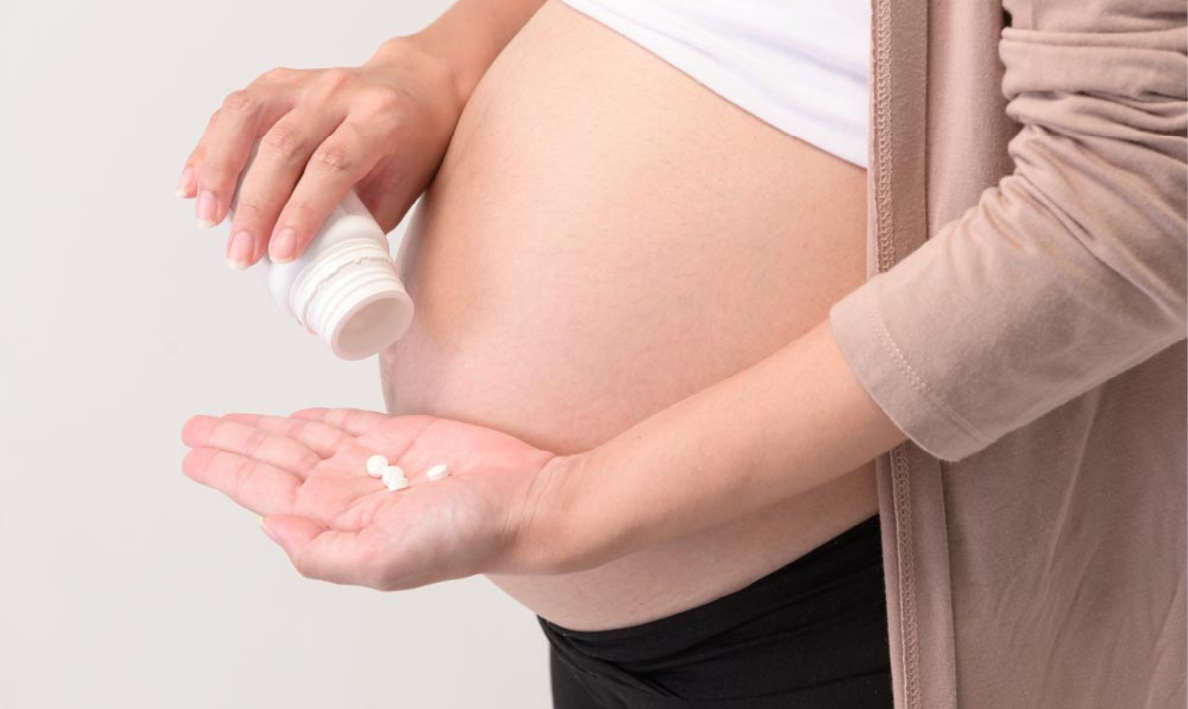
It is very important to be able to accurately identify people at increased risk because a safe medication is very effective to help avoid the disease.
Recent studies show that, among high-risk pregnancies, low-dose aspirin prevents more than half of the cases of pre-eclampsia before 37 weeks, and nine out of ten cases that would require delivery of the baby before 32 weeks.
The problem is that aspirin can have side effects and should not be given to everyone.
Over the last few years, better methods of screening have also been developed. A test is now available at the time of the 11-14 week ultrasound. The test combines the mother’s characteristics and medical history with blood pressure measurements, information from the ultrasound, and a blood test (or simpler combinations of these). This allows for more accurate identification of people at increased risk of pre-eclampsia who will benefit from low-dose aspirin the most.
In the next phase of the Every Week Counts Preterm Birth Prevention Collaborative, we are working hard to bring this test to Australian women in several test sites in our public health system.
This will allow appropriate identification of high-risk pregnancies and targeted effective prevention of pre-eclampsia with low-dose aspirin. By doing this we hope to further reduce the burden of pre-eclampsia and preterm birth to our pregnant population; ultimately improving health outcomes for mothers, their babies, and their families.
Associate Professor Daniel Rolnik